Best Spring Trout Fishing Spots in the US
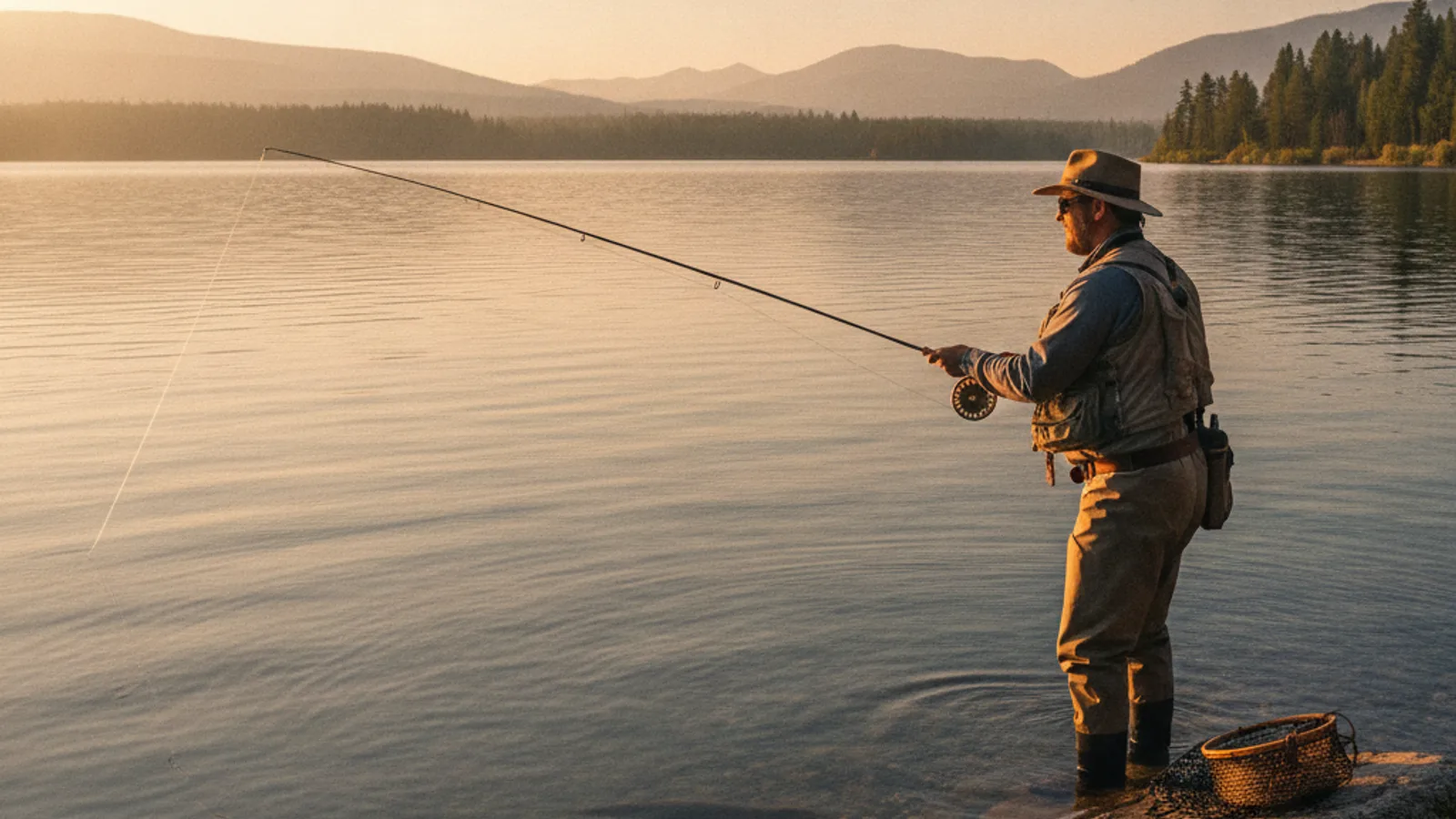
Spring is trout season. Whether you're chasing stockers in a local pond or wild browns on a freestone stream, March through May offers the best trout fishing of the year across most of the country. Here are the top spots by region, plus stocking schedules and gear recommendations to make the most of it.
Northeast
Catskill Streams, New York
The birthplace of American fly fishing. The Beaverkill, Willowemoc, and Esopus Creek are legendary for wild brown trout. Spring hatches start with Blue-Winged Olives in late March and build to the famous Hendrickson hatch in April-May.
- Best months: April-May
- Species: Wild brown trout, stocked rainbows
- Techniques: Nymphing early spring, dry flies during hatches
- Tip: Fish the catch-and-release sections for larger, holdover fish
Penns Creek, Pennsylvania
One of the best limestone streams in America. Penns Creek holds wild browns averaging 12-16 inches with some real trophies. The Green Drake hatch in late May is a bucket-list event, big trout eating big bugs on the surface.
- Best months: April-June (Green Drake hatch: late May)
- Species: Wild brown trout
- Techniques: Euro nymphing, dry flies during hatches
- Tip: The catch-and-release stretch between Coburn and Poe Paddy holds the best fish
Stocked Lakes and Ponds (Region-Wide)
Every northeastern state stocks trout heavily in spring. Connecticut, Massachusetts, New Jersey, and Pennsylvania all publish stocking schedules online. Fish within 48 hours of a stock for the easiest catches.
Northeast Tip: Most states publish weekly stocking reports, check your state's fish and wildlife website every Monday to plan your week. Fresh stockers hit PowerBait, small spinners, and live worms aggressively for the first 2-3 days.
Southeast
South Holston River, Tennessee
A world-class tailrace fishery with huge wild brown trout. The cold releases from South Holston Dam create year-round trout habitat, but spring brings the best sulphur hatches on the planet, millions of mayflies from late April through June.
- Best months: April-June
- Species: Wild brown trout (some 20+ inches), stocked rainbows
- Techniques: Dry-dropper rigs during sulphur hatches, small nymphs in the morning
- Tip: Check generation schedules, low water (1 unit or less) is best for wading
Davidson River, North Carolina
A beautiful mountain stream in Pisgah National Forest. Heavily stocked but also holds wild fish. The catch-and-release section downstream of the hatchery consistently produces trout over 20 inches.
- Best months: March-May
- Species: Rainbow, brown, and brook trout
- Techniques: Tight-line nymphing, small dry flies (size 18-22)
- Tip: These fish see a lot of pressure, use 6x or 7x tippet and small flies
Great Smoky Mountains National Park
Over 2,000 miles of streams with wild brook, brown, and rainbow trout. No stocking, no bait allowed, fly fishing or single-hook artificial lures only. Spring brings warming water and active fish at lower and mid-elevations.
- Best months: March-May
- Species: Wild brook, brown, and rainbow trout
- Techniques: Dry-dropper rigs, attractor dry flies (Parachute Adams, Stimulator)
- Tip: Hike in past the first mile of trail, fishing quality improves dramatically away from parking areas
Midwest
Driftless Area (Wisconsin, Minnesota, Iowa)
The Driftless Area is one of the best-kept trout fishing secrets in America. Hundreds of spring-fed streams hold wild brown trout in a landscape you'd never expect, rolling farmland with crystal-clear creeks running through it.
- Best months: March-May (catch-and-release opens in January in WI)
- Species: Wild brown trout, some brookies in headwaters
- Techniques: Small spinners (Panther Martin, Mepps), nymphs, terrestrials
- Tip: These are small streams, stealth matters. Approach low, cast short, and wear earth tones
Pere Marquette River, Michigan
A big, wadeable river with incredible spring steelhead runs and resident brown trout. The spring steelhead run (March-April) draws anglers from across the country.
- Best months: March-April (steelhead), May-June (resident trout)
- Species: Steelhead, brown trout, brook trout
- Techniques: Egg patterns and streamers for steelhead, nymphs and dry flies for residents
- Tip: Float the flies-only section for the best combination of scenery and fishing
West
San Juan River, New Mexico
One of the most productive trout fisheries in North America. The tailwater below Navajo Dam holds an estimated 15,000-20,000 trout per mile, mostly rainbows, with some browns and cutthroats.
- Best months: Year-round, but March-May is excellent
- Species: Rainbow trout (up to 20+ inches common), brown trout
- Techniques: Small midges and baetis nymphs (size 20-26), sight fishing in clear water
- Tip: The quality water section (first 3.5 miles below the dam) is the most productive but also the most crowded, arrive early
Green River, Utah
Below Flaming Gorge Dam, the Green River is a world-class brown trout fishery. Spring brings Blue-Winged Olive hatches that produce dry fly action for fish averaging 16-20 inches.
- Best months: March-May
- Species: Brown trout (trophy-sized), rainbow trout, cutthroats
- Techniques: BWO dry flies and nymphs, streamers for big browns
- Tip: Float the A Section (dam to Little Hole) for the highest trout density
Madison River, Montana
The Madison inside Yellowstone National Park opens in late May, but the lower river (Quake Lake to Ennis) fishes well from March onward. Spring brings the famous Mother's Day caddis hatch, one of the biggest dry fly events in the West.
- Best months: March-June (Mother's Day caddis: early-mid May)
- Species: Rainbow and brown trout, some whitefish
- Techniques: Nymphing in early spring, dry flies during caddis hatch
- Tip: The $3 Bridge to Varney Bridge section is the sweet spot for wading anglers
Western Tip: Spring runoff can blow out rivers in the West from mid-May through June. Check flow levels before driving, anything over 2x median flow is usually unfishable. Tailwaters below dams are the most reliable option during runoff season.
Pacific Northwest
Deschutes River, Oregon
A legendary desert river with wild redside rainbows (a Deschutes-specific strain) averaging 14-18 inches. Spring brings the best dry fly fishing as March Browns, BWOs, and stoneflies hatch in succession.
- Best months: March-June
- Species: Wild redside rainbow trout, steelhead
- Techniques: Nymphing under indicators, dry flies during hatches, swinging soft hackles
- Tip: The Warm Springs to Trout Creek section offers the best combination of access and quality fish
Spring Trout Gear Essentials
Spinning Gear (Stocked Trout and Small Streams)
- Rod: Ultralight, 5-6ft, 2-6lb power
- Reel: 1000-size spinning reel with smooth drag
- Line: 4lb monofilament or 2-4lb fluorocarbon
- Lures: Rooster Tail (#1-2), Panther Martin (1/16oz), small Kastmaster, Trout Magnet
- Bait: PowerBait, live worms, small minnows (where legal)
Fly Fishing Gear
- Rod: 9ft 4-weight or 5-weight (3-weight for small streams)
- Line: Weight-forward floating, plus sink-tip for streamers
- Leader: 9ft tapered to 4x-5x for nymphing, 12ft to 6x-7x for dry flies
- Essential flies: Pheasant Tail nymph, Hare's Ear, BWO dry/emerger, Elk Hair Caddis, Woolly Bugger
Universal Essentials
- Waders: Breathable chest waders with felt or rubber-soled boots
- Net: Rubber mesh catch-and-release net
- Polarized sunglasses: Copper or amber lenses for spotting fish and reading water
- Thermometer: Digital water thermometer, trout are most active at 45-60°F
How to Find Stocking Schedules
Every state that stocks trout publishes schedules, usually weekly during spring. Here's how to find yours:
- Search "[your state] trout stocking schedule 2026"
- Check your state's Department of Natural Resources or Fish & Wildlife website
- Many states have interactive maps showing recently stocked waters
- Sign up for email alerts, some states notify subscribers before each stocking
Timing tip: Fish within 48 hours of stocking for the easiest catches. Fresh stockers haven't learned to be wary yet. After a week, survival instincts kick in and they become harder to catch. Lake fishing basics →
Check Conditions at Your Trout Spot
Weather, barometric pressure, and solunar periods to plan your spring trout trips.
Check fishing conditions →Frequently Asked Questions
What is the best time of day for spring trout?
Mid-morning to early afternoon is often best in early spring, water has warmed a few degrees and insect hatches are most active. As spring progresses into May, early morning and evening become more productive, especially for dry fly fishing during caddis and mayfly hatches.
What water temperature is best for trout?
Trout are most active between 45-65°F, with the sweet spot around 50-58°F. Below 40°F they're sluggish; above 68°F they become stressed and should not be targeted. In spring, use a thermometer to find streams in the optimal range. Temperature guide →
Do I need a fly rod for spring trout?
No. Ultralight spinning gear with small spinners, spoons, or live bait catches plenty of trout. Fly fishing excels during insect hatches and in catch-and-release waters, but spinning gear is perfectly effective, especially on stocked waters and small streams.
Are stocked trout worth fishing for?
Absolutely. Stocked trout provide accessible fishing close to population centers. They fight well when fresh, and many grow into quality holdover fish. For beginners and families, stocked ponds are the best way to get into trout fishing. Just check your state's stocking schedule and fish within a few days of the stock.
FISH SMARTER ⚓
FIND YOUR SPOT →