When Is the Best Time to Go Fishing? (Tide & Moon Guide)
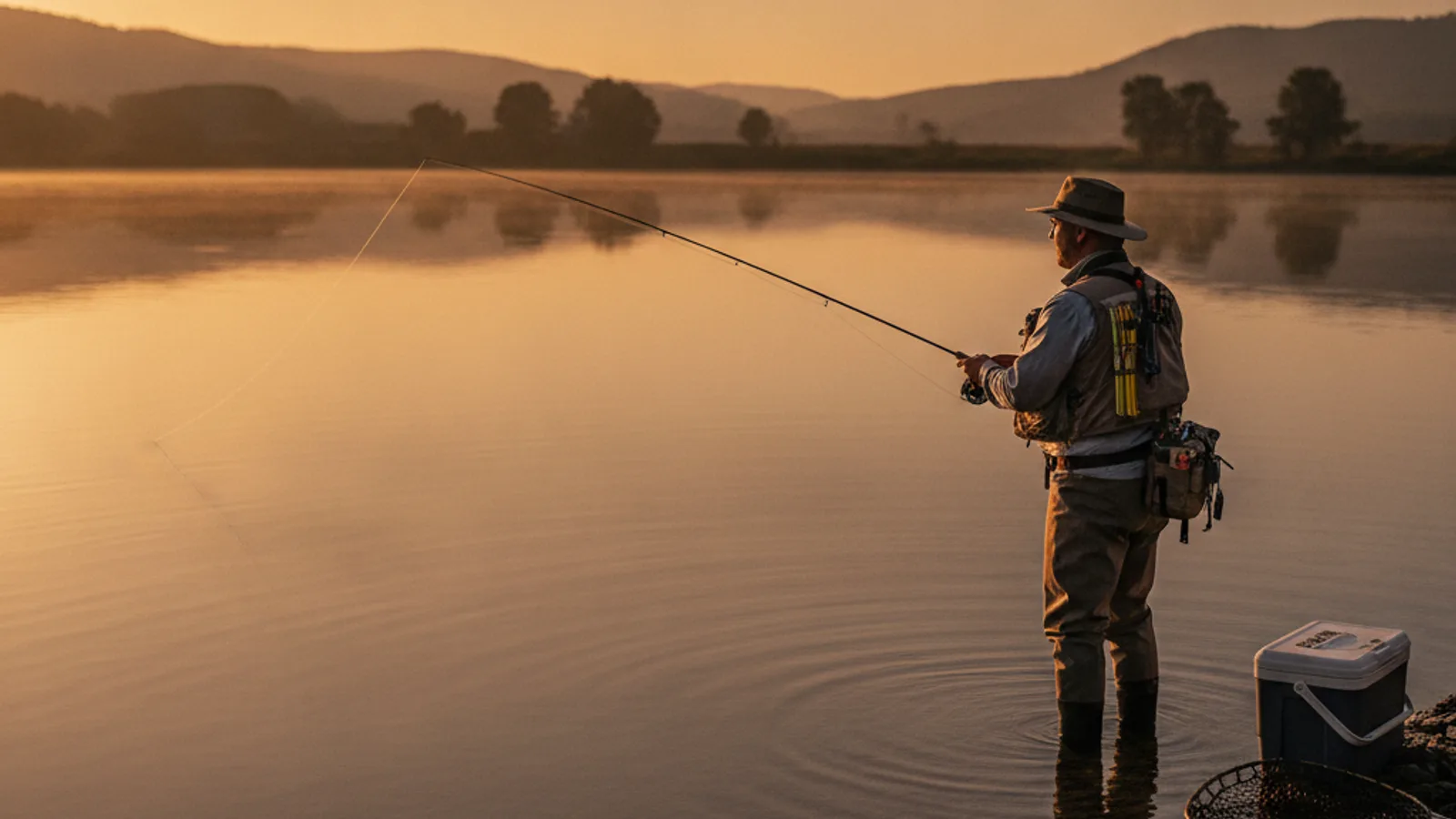
Every angler wants to know the same thing: when should I go fishing? Whether you're a weekend warrior or a seasoned saltwater pro, timing your trip around tides, moon phases, and weather conditions can dramatically increase your catch rate.
The truth is, there's no single "best time" that works everywhere. But by understanding the natural factors that drive fish behavior, you can stack the odds in your favor every time you hit the water.
How Tides Affect Fishing
Tides are the single most important factor for saltwater fishing. The gravitational pull of the moon and sun creates a constant cycle of rising and falling water levels that directly controls where fish feed and how they move.
Moving Water = Active Fish
The golden rule of tide fishing is simple: fish when the water is moving. Slack tide, the brief pause between high and low, is typically the slowest period. During moving tides, water current carries baitfish, shrimp, crabs, and other forage, creating a natural conveyor belt that predators follow.
Here's how each tidal phase affects fishing:
- Incoming (flood) tide: Often the best fishing period. Rising water pushes baitfish and nutrients into marshes, flats, and nearshore areas. Predators like redfish, trout, and snook position themselves to ambush prey carried by the current.
- High tide: Fish spread out over flooded flats and grass beds. While they're actively feeding, they can be harder to locate since they have more territory to cover.
- Outgoing (ebb) tide: Water drains from marshes and flats, funneling baitfish through cuts, passes, and channels. This concentrates both bait and predators in predictable locations, a fantastic time for fishing structure.
- Low tide: Fish retreat to deeper channels and holes. While the bite can slow on the flats, deeper structure fishing can be excellent.
Pro Tip: The two hours before and after a high tide are often the most productive fishing window. Plan to be on the water before the tide peaks.
Spring Tides vs. Neap Tides
Not all tides are created equal. During spring tides (around full and new moons), tidal ranges are at their greatest. More water movement means more current, more displaced baitfish, and more aggressive feeding. Many experienced anglers specifically plan trips around spring tides for this reason.
Neap tides (during quarter moons) produce smaller tidal swings and weaker currents. Fishing can still be good, but the bite may be less predictable.
Moon Phases and Fishing
The moon doesn't just create tides, it influences fish behavior in ways that go beyond water movement. The solunar theory, developed by John Alden Knight in 1926, proposes that fish and wildlife activity peaks during specific lunar events.
The Four Key Moon Phases
- New Moon: Excellent fishing. Strong tides, dark nights that encourage nocturnal feeding, and peak solunar activity.
- First Quarter: Moderate fishing. Weaker tides but evening moonlight can trigger surface feeding.
- Full Moon: Excellent fishing potential, though patterns shift. Strong spring tides create great daytime fishing, while nighttime feeding under bright moonlight can make early morning bites slower.
- Last Quarter: Similar to first quarter, moderate tides with less predictable patterns.
Solunar Major and Minor Periods
Each day has four solunar feeding periods based on the moon's position:
- Major periods (about 2 hours each): Occur when the moon is directly overhead (transit) and directly underfoot. These are the peak feeding windows.
- Minor periods (about 1 hour each): Occur at moonrise and moonset. Still productive but typically less intense than major periods.
When a solunar major period overlaps with a moving tide and dawn or dusk? That's when magic happens on the water.
Barometric Pressure and Fishing
Fish have swim bladders that are sensitive to atmospheric pressure changes. This makes barometric pressure one of the most underrated factors in fishing success.
- Falling pressure (pre-front): Fish sense an approaching storm and feed aggressively. This is often the best fishing window, the 12-24 hours before a cold front.
- Steady low pressure: During a storm or overcast conditions, fishing stays decent. Topwater bites can be excellent under cloud cover.
- Rising pressure (post-front): The toughest conditions. Bluebird skies and rising pressure often shut down the bite. Fish retreat to deeper water and become lethargic.
- Steady high pressure: Normal fishing returns after a day or two of stable conditions. Early morning and late evening remain the best windows.
Pro Tip: Watch for a slow, steady drop in barometric pressure. A reading falling from 30.10 to 29.80 over 12 hours signals prime fishing conditions.
Best Time of Day to Fish
Time of day matters too, though it's less impactful than tides and weather. Here's the general hierarchy:
- Dawn (first 2 hours after sunrise): The classic "golden hour." Low light, cooling water from overnight, and fish that haven't eaten since the evening before.
- Dusk (last 2 hours before sunset): Another excellent window as fish feed before nightfall.
- Nighttime: Underrated for species like snook, tarpon, and speckled trout around lighted docks and bridges.
- Midday: Typically the slowest, especially in summer. Fish move deeper and become less active in bright sun and warm water.
Putting It All Together
The best fishing trips happen when multiple factors align. Here's your checklist for planning the ideal outing:
- Check the tide schedule and plan to fish during moving water (incoming preferred)
- Look for solunar major periods that overlap with tide movement
- Target dawn or dusk when possible
- Watch the barometric pressure, plan trips before fronts, not after
- Favor new and full moon phases for stronger tides and peak activity
Check Conditions at Your Fishing Spot
Fishn Buddy shows you real-time tides, solunar periods, weather, and fishing scores for Gulf Coast locations, all in one place.
Check Your Location →Try checking conditions for popular spots like Apalachicola, FL, Port Aransas, TX, or Grand Isle, LA to see how all these factors come together.
Frequently Asked Questions
What is the best time of day to go fishing?
The first two hours after sunrise and the last two hours before sunset are generally the most productive. These low-light periods trigger peak feeding activity. Combine them with a moving tide for the best results.
Is it better to fish at high tide or low tide?
Neither, the best fishing is during moving water between high and low tide. Incoming tides are often best because they push bait toward shore. The slack period at the very top or bottom of a tide is usually the slowest.
Does the moon phase really affect fishing?
Yes. Full and new moons create stronger tides and peak solunar activity periods. Many anglers report significantly better catches during these lunar phases, especially when major solunar periods align with tide movement.
What barometric pressure is best for fishing?
Falling barometric pressure before a storm triggers aggressive feeding. A reading dropping from around 30.10 to 29.80 inHg often produces excellent fishing. Avoid the bluebird skies right after a front passes.
FISH SMARTER ⚓
FIND YOUR SPOT →